Everything About PRP Hair Treatment for Hair Loss
Updated on: June 09, 2026 | Modified by: Poorana Priya
Thinking About PRP Hair Treatment?
If you've been researching solutions for hair loss, you've probably come across PRP hair treatment.
But what exactly is PRP? Does PRP really work for hair growth? Can it regrow lost hair? How many sessions are needed? And is it the right treatment for everyone?
PRP (Platelet-Rich Plasma) hair treatment has become one of the most talked-about non-surgical hair restoration procedures because it uses growth factors derived from your own blood to support hair follicle activity and scalp health.
In this guide, we'll answer the most common questions people ask about PRP hair treatment, how the procedure works, expected results, safety, recovery, and who may benefit most from the treatment.
What Is PRP Hair Treatment?
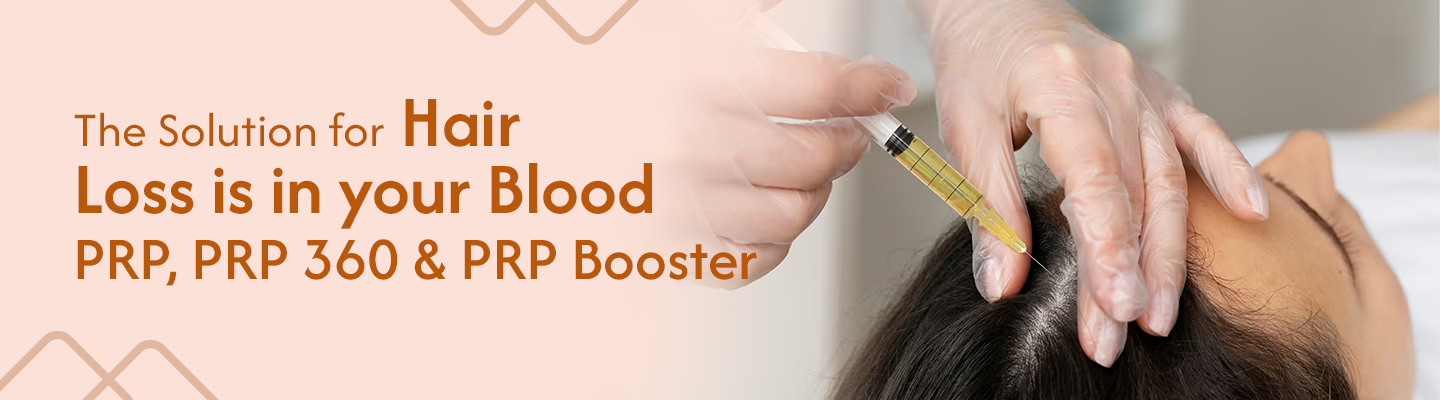
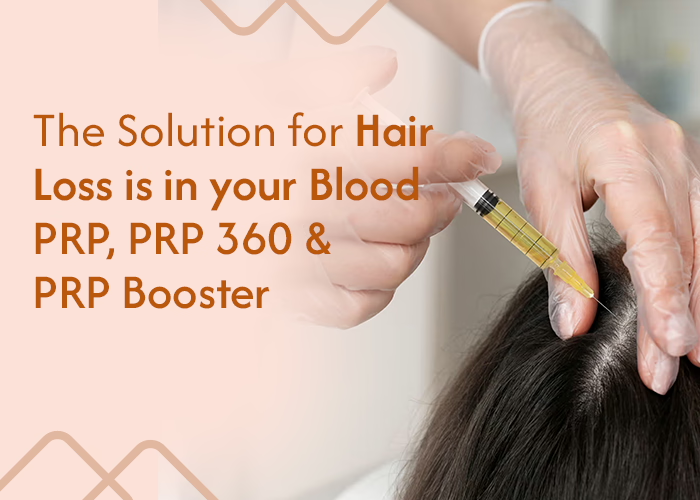
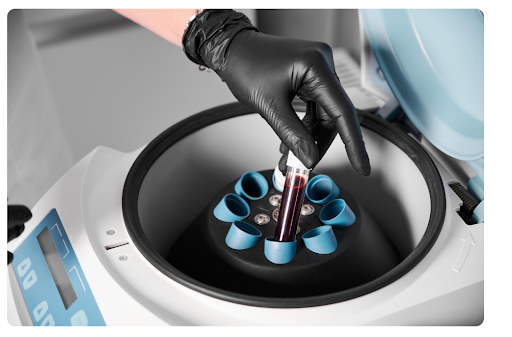
PRP (Platelet-Rich Plasma) Hair Treatment is a non-surgical hair restoration procedure that uses concentrated platelets obtained from a person's own blood.
These platelets contain growth factors that help support tissue repair and follicle activity. When injected into areas affected by hair thinning, PRP may help improve scalp health, strengthen weakened follicles, and support healthier hair growth.
Because the treatment uses your own blood, PRP is considered an autologous procedure, making it highly compatible with the body's natural healing processes.
Is PRP Effective for Hair Loss Treatment?
PRP is designed to support weakened hair follicles by delivering concentrated growth factors directly into the scalp.
Many individuals undergoing PRP treatment notice improvements in:
➤ Hair fall reduction
➤ Hair thickness
➤ Hair density
➤ Overall scalp health
However, results vary depending on factors such as the stage of hair loss, follicle health, age, genetics, and overall scalp condition. PRP generally works best when follicles are still active and capable of responding to stimulation.
What Causes Hair Loss and Can PRP Help?
Before considering any hair restoration treatment, it's important to understand that hair loss can occur for many reasons. Genetics, hormonal changes, stress, nutritional deficiencies, scalp conditions, and aging can all affect hair growth.
PRP Hair Treatment is commonly recommended when active hair follicles are still present and capable of responding to growth stimulation. That's why identifying the underlying cause of hair loss is often the first step in determining whether PRP may be beneficial.
Who May Benefit From PRP Hair Treatment?
PRP may be recommended for individuals who:
➤ Are experiencing early to moderate hair thinning
➤ Notice increased hair shedding
➤ Have active hair follicles
➤ Want a non-surgical hair restoration option
➤ Are looking to improve hair density and scalp health
A professional hair and scalp assessment can help determine if PRP hair treatment is suitable based on your hair loss condition, follicle health, and treatment goals.
What Results Can You Expect from PRP Hair Treatment?
While individual results vary, PRP treatment is commonly used to support:
➤ Reduced hair shedding
➤ Stronger hair follicles
➤ Improved scalp health
➤ Better hair thickness
➤ Increased hair density
➤ Healthier hair growth cycles
The goal of treatment is to create a healthier environment for hair follicles and support long-term hair growth rather than provide an instant cosmetic change.
What Factors Can Affect PRP Hair Treatment Results?
Not everyone experiences the same results from PRP Hair Treatment. The effectiveness of treatment can depend on several factors, including the cause of hair loss, the health of the scalp, and how early treatment is started.
Results are often influenced by:
➤ The stage of hair thinning or hair loss
➤ The condition of existing hair follicles
➤ Age and overall health
➤ Genetics and family history of hair loss
➤ Nutrition and lifestyle habits
➤ Adherence to the recommended treatment schedule
Because every individual's hair loss pattern is unique, treatment outcomes can vary. In many cases, starting treatment earlier—when hair follicles are still active—may provide a better opportunity for visible improvement over time.
PRP vs GFC: Which Is Better?
Both PRP and GFC (Growth Factor Concentrate) treatments aim to support hair follicle health through growth-factor-based therapy.
PRP uses concentrated platelets derived from the patient's blood, while GFC focuses on delivering highly concentrated growth factors extracted through specialized processing techniques.
The most suitable option depends on:
➤ Hair loss severity
➤ Follicle condition
➤ Scalp health
➤ Treatment goals
A hair specialist can help determine which approach may be more suitable based on individual needs.
Can Bald People Do PRP Hair Treatment?
PRP works best when active hair follicles are still present.
For individuals with long-standing baldness or areas where follicles are no longer active, results may be limited. A scalp analysis can help determine whether PRP is likely to be beneficial or whether other hair restoration options may be more suitable.
Why Is Early Treatment Important for Hair Loss?
Many people wait until hair loss becomes advanced before seeking treatment.
However, hair restoration treatments often work best when follicles are still active. Early intervention may help preserve existing hair, support follicle health, and improve the likelihood of achieving noticeable results.
Final Thoughts
PRP Hair Treatment has become one of the most widely chosen non-surgical options for managing hair thinning and supporting healthier hair growth. By using growth factors derived from your own blood, the treatment focuses on strengthening existing follicles, improving scalp health, and supporting natural hair growth cycles.
While PRP is not a cure for every type of hair loss, it may offer noticeable improvement for individuals with active hair follicles and early-to-moderate hair thinning. Understanding how PRP works, what results to expect, and whether you're a suitable candidate can help you make a more informed decision about your hair restoration journey.
FAQs
Does age affect PRP Hair Treatment results?
Yes. Age can influence hair follicle activity and the scalp's natural regenerative ability. However, suitability depends more on follicle health and the underlying cause of hair loss than age alone.
Does PRP work better in the early stages of hair loss?
In many cases, PRP tends to be more effective when hair follicles are still active and hair thinning is in its early to moderate stages. Early intervention may help support better outcomes.
Can genetics affect PRP treatment success?
Yes. Genetic hair loss can influence treatment outcomes. While PRP may help support existing hair follicles, individual responses can vary depending on hereditary factors.
Why do some people see better PRP results than others?
Factors such as scalp health, follicle activity, hair loss severity, overall health, and treatment consistency can all influence how an individual responds to PRP Hair Treatment.
Can lifestyle habits impact PRP Hair Treatment results?
Yes. Nutrition, stress levels, sleep quality, smoking, and overall health can affect hair growth and may influence the effectiveness of treatment.
How important is treatment consistency for PRP?
Consistency is important because hair growth occurs gradually. Following the recommended treatment schedule and aftercare guidance can help support optimal results over time.
Can PRP work if I have advanced hair loss?
PRP may have limited benefits in areas where hair follicles are no longer active. A professional scalp assessment can help determine whether PRP is a suitable option based on the stage of hair loss.
How can I improve my chances of getting better PRP results?
Maintaining a healthy scalp, following treatment recommendations, addressing nutritional deficiencies, and seeking treatment early may help support better outcomes.
However, if you are someone who is completely bald or your hair loss is at its severe stage, PRP might not be the suitable option for you. PRP may not work if the hair follicles are completely dead. If you are interested to know more about PRP or to find out if you can take PRP, talk to one of our haircare experts by calling (ph.no). Our team will assist you and clear all your queries.
Advanced Hair Revival with PRP Science
While PRP in itself will provide progressive results for hair loss , VCare offers PRP 360 and PRP Booster along with Regular PRP for 360-degree results. PRP 360 & PRP Booster PRP 360 is an excellent option for those looking for comprehensive hair care along with an end-to-end treatment to put an end to hair loss.
PRP Booster
PRP Booster is another advanced option that provides full-spectrum care before and after the PRP sessions. In PRP Booster, scalp detox & scalp care are added benefits. This helps in elevating the overall scalp environment for a healthier hair growth. It also boosts the results of PRP sessions. Post treatment, Invacare Kit and suitable supplements are offered as a part of our holistic plan for strengthening your hair follicles. Discounts in the total package are also available with PRP Booster.
Excellent benefits of PRP
➤ 100% Natural & Safe, Free from harmful ingredients
➤ Promotes new hair growth in the hair loss area on the scalp
➤ Increases overall hair density and thickness through improved blood circulation in the scalp
➤ Prevents hair loss
➤ Minimal downtime and no side effects
➤ Scientifically proven treatment with high success rates
How many sessions are needed to restore lost hair with PRP?
The number of sessions depends on the intensity and severity of hair loss. On an average, at least 3-4 sessions are required to obtain quality results. Maintenance sessions are required to sustain the obtained results. Reportedly, our clients said they saw visible improvements in their hair just after two sessions.
Do PRP results last for years?
Yes. PRP Hair Treatment results can last for years. But, as you know the nature of hair fall varies from person to person. People experiencing frequent hair loss are advised to take maintenance sessions post PRP treatment to keep their hair follicles strong over the years. Consistent hair care and a healthy lifestyle along with a nutritious diet are also important to extend the longevity of the treatment results.
What happens post PRP treatment?
After the PRP Treatment, you may notice a mild sensitivity or swelling on the scalp, which is natural and will disappear in a day or two. As the treatment phenomenon is completely natural, there are no side effects involved. PRP comes with minimal or no downtime. You can resume your daily activities post procedure. However, follow your haircare expert’s advice on post treatment hair care.
PRP is a science-backed solution to put an end to hair fall woes. Clinical studies have reported an increase in hair density, hair count and hair thickness post treatment. If you are someone facing mild to moderate hair loss, it's time to strengthen those weak hair follicles of yours. Book a consultation with us to know more!
FAQs
❓ Is PRP painful?
No. PRP is not painful. You may experience mild discomfort during the scalp injection which goes away on its own.
❓ Does PRP work for baldness?
If you are completely bald, PRP is not the solution for you. PRP works only where hair follicles are present. In the cases of baldness, hair follicles are completely dead. PRP works well on mild to moderate hair loss cases & male or female pattern baldness.
❓ Does PRP work with other treatments?
Yes. PRP works well with many hair treatments. But, always discuss your hair treatment history with your doctor before taking PRP. PRP is also given as a booster treatment post hair transplant.
❓ Are the results of PRP permanent?
PRP is known for boosting your natural hair growth. The results therefore vary based on every individual’s hair loss type. With maintenance sessions, one can obtain long lasting results.
❓ Can PRP cure postpartum hair loss?
Definitely! PRP can help those experiencing postpartum hair loss. It helps reactivate the dormant hair follicles, thereby promoting hair growth and improving overall hair density. As postpartum hair loss is mostly temporary, PRP helps in speeding up the recovery process and prevents further hair shedding.